When the power goes out in the Okanagan, a winter storm can turn a normal evening into a test of what really matters in your home. Before you compare solar battery brands or prices, the smarter first step is to decide which loads you need to keep running and for how long. That decision shapes everything: the size of your battery, the circuits that get backed up, and the installed cost you should expect. In this guide, we will start with what to gather before you size anything. Then you will build your essential-loads list, confirm which circuits are actually on backup, turn those loads into usable kWh, choose a realistic winter outage window, and map that number to installed price ranges. We will also look at what moves costs up or down in the Okanagan, where homeowners tend to over-buy home energy storage, and how to compare battery quotes without getting lost. At West Winds Holdings, we provide consultations and work with qualified installation partners for homeowners in Kelowna, West Kelowna, Lake Country, Peachland, and the wider Okanagan. When you're ready, request a local consultation.
Before You Size Anything: What to Gather First
Before you look at a single product, gather the following:
Twelve months of BC Hydro usage. Download it from your bills or your MyHydro account so you know your real household kWh. Then a reminder: a backup battery only serves the loads you put on it, not your whole bill.
Your own outage history. Note how often the power has gone out, how long it lasted, and what season. There is no published Okanagan-specific outage frequency figure to point you to, so your notes (or your utility's outage records) are the honest starting point.
A photo of your panel and a plain list of every breaker label. Watch for double-pole (240V) breakers and anything unlabelled or marked furnace, AC, well pump or hot tub.
A days-of-autonomy target. Twelve hours, 24 hours or three days changes the size and price far more than brand choice does.
Finally, jot down practical constraints: where the panel and battery would sit, natural gas versus heat pump heating, and well versus municipal water. These shape the whole conversation about home energy storage systems.
With that gathered, you can start building the loads themselves.
Step 1: Build Your Essential-Loads List
Now that you have your panel photo and your autonomy target, write down what actually has to stay on.
The five that decide most BC systems: fridge and freezer, furnace or heat pump, well pump (if you are rural), internet modem and router, and medical equipment such as a CPAP machine or oxygen concentrator.
Tier two, only once those five are covered: sump pump, a chest freezer, a few LED lights, phone and laptop charging, and a microwave or coffee maker.
Find the watts. Start with the nameplate label on each appliance and note watts, amps and volts. If only amps and volts appear, multiply them: amps × volts = watts. For 120V plug-in loads you cannot read, use a plug-in energy monitor for a few days.
Treat heating as its own problem. A gas furnace is mostly a blower motor drawing hundreds of watts. An electric furnace or heat pump draws thousands, and may need a soft starter or a larger inverter. That is the single biggest cost lever in most estimates.
Finally, record it all in a simple four-column table: load, watts, estimated winter hours per day, and surge watts. That table is the document you hand an installer, and it is what separates a considered solar battery quote from a guess.
Step 2: Confirm Which Circuits Are Actually on Backup
Now you have a load list. Next, find out which of those loads are even wired to back up.
Backup comes in two shapes. Whole-home backup powers everything, but it needs a large battery energy storage system and often a service upgrade. A critical loads sub-panel powers only the circuits you choose, and that is the common starting point for a modest solar battery.
To map yours, run a breaker test: switch breakers off one at a time and confirm what each one actually controls. BC Hydro's how to do a breaker test for a smart meter walks through the process, which beats trusting twenty-year-old labels.
Then the surprise. Don't assume the furnace or heat pump is on the backup circuit. In many homes it sits on its own double-pole breaker that a small panel never covers, and you discover that on the first cold outage night.
Flag every 240V load too: well pumps, electric ranges, dryers, EV chargers, heat pumps. A 120V-only panel won't carry them without a different inverter or extra hardware.
Finally, plan to have your electrician relabel the panel properly during the install. Clear labelling is a quiet benefit of the project, not an afterthought.
Step 3: Turn Your Essential Loads into Usable kWh
Once you know which circuits are on backup, convert them to kilowatt-hours. Use watts times actual run hours, not plugged-in hours. A 150W fridge nameplate cycles on and off, drawing far less over a day.
Assume these winter duty cycles: heating runs most of the evening and overnight in January, the fridge compressor runs about a third of the time, and a router runs 24 hours at low draw.
Example, not a measurement: a 150W fridge cycling about a third of the time uses roughly 1.2 kWh/day; a 500W furnace blower for 10 hours, 5 kWh; a 15W router for 24 hours, 0.36 kWh; and 60W of lights and charging for 4 hours, 0.24 kWh. Total: about 6.8 kWh per day.
Separate nameplate capacity from usable capacity. Usable kWh equals nameplate × depth of discharge × round-trip efficiency. A 10 kWh battery at 90 percent depth of discharge and 90 percent efficiency delivers about 8.1 kWh.
Derate for cold and inverter overhead. Lithium capacity drops in an unheated Okanagan garage, and charging can be blocked below freezing. Inverters draw power when idle. Ask whether the unit is heated or installed indoors, and leave headroom rather than running it flat out.
Step 4: Choose Your Winter Outage Window
Once you have your daily essential-load total, turn it into a backup target. Pick days, not hours. As planning rules of thumb, twelve hours covers most nuisance outages, 48 hours covers a serious winter storm, and three days covers the rural outages people actually worry about.
Multiply your daily kWh by that window, then add a buffer for a second storm arriving before the grid is restored. Take a 7 kWh day: across 48 hours that needs roughly 14 kWh usable before any derating. Label your window as a planning assumption. There is no reliable published average BC winter outage length to cite, so use your own history and state it openly.
Be honest about what stretching the window does. Heating is the load that blows the math up. An electric heat pump running flat for three days will outrun almost any residential battery. Decide in advance which loads you will drop on day two. A solar energy storage system paired with solar can carry essentials for days if there is sun and a staged plan. A battery-only system cannot.
With your window chosen, you have a defensible usable kWh target for comparing installed costs next.
Step 5: Map Usable kWh to Realistic Installed Costs
With your usable kWh figure and outage window in hand, you can put a price on storage. Price tracks usable kWh, not the marketing capacity on the box. A small critical-loads setup carrying a few kWh of essentials costs a fraction of a whole-home system with 20 kWh or more.
The battery is only part of the invoice. A hybrid or backup inverter, critical loads sub-panel, automatic transfer switch, wiring, permits, and a service or panel upgrade in some homes often move the installed total more than a modest bump in battery size.
Treat any dollar figure as an installed range a local quote has to confirm. There are no BC-specific installed price figures behind this guide, and manufacturer list prices exclude labour, permitting and electrical work.
Ask whether the quote covers backup only or solar plus storage. Adding solar changes the inverter, the wiring and the interconnection steps, and it changes how battery energy storage systems behave over a long outage.
Keep incentives separate and check them live. BC Hydro publishes rebates for solar panels and battery storage, but terms, amounts and eligibility can change between program years; verify current details on the live page. Don't assume a federal program applies.
What Moves the Price Up or Down in the Okanagan
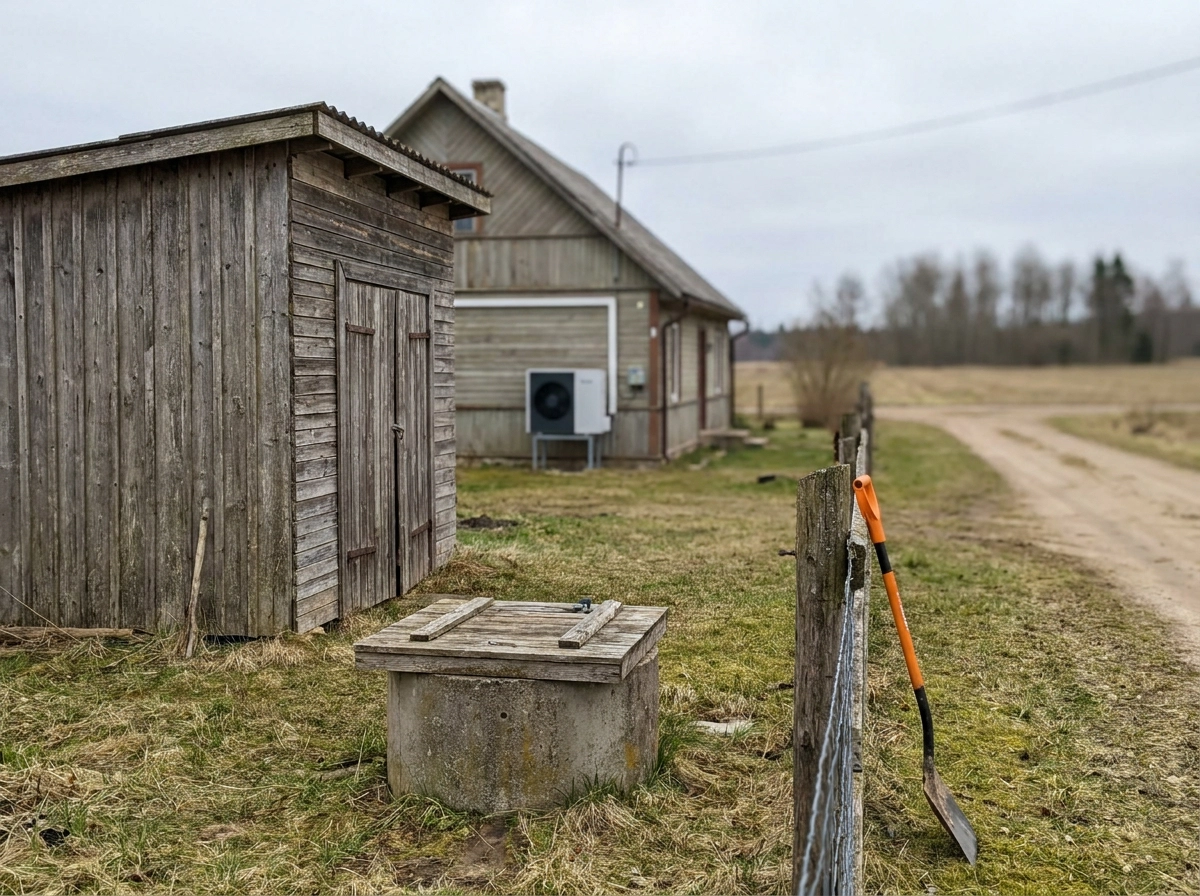
Once you have a usable-kWh number, these are the Okanagan factors that shift the final quote.
Rural properties cost more to back up. A well pump, detached shop or outbuildings add load and labour: trenching, sub-panels, sometimes a second inverter.
Heating is the big one. Electric heat or an air source heat pump is the hardest and most expensive load to size honestly. A natural gas furnace with a blower motor is comparatively easy.
Panel age, wall space and location matter too. Indoor versus outdoor battery placement changes hardware and labour, and an older panel can trigger an upgrade that was not in your original budget.
Local outage patterns drive demand by season. Winter storms and wildfire-related shutdowns both push interest in energy storage for home use across Kelowna, West Kelowna, Lake Country, Peachland and surrounding areas.
Installer availability and incentive timing move the number as well. Ask for a quote both with and without any incentive you think you qualify for, then compare like with like.
Get those answers honestly and you will know which upgrades you need, and which you can skip.
Where Homeowners Over-Buy Home Energy Storage
Most oversized quotes trace back to one of five familiar mistakes.
Backing up a house you don't need to run. Whole-home backup is the expensive default. Most households actually need a fridge, a furnace or heat pump, internet, and a few lights through one winter night. That's a much smaller system.
Storage without solar. A battery alone is a countdown, not a plan. If the grid stays down for days and nothing recharges it, you're watching the percentage drop. Solar changes that math; the array refills what the battery spends.
Trusting the sticker. A 10 kWh battery is not 10 kWh of usable power. Depth of discharge, round-trip efficiency and cold derating each take a bite, and an unheated Okanagan garage in January takes more.
Assuming last winter was the worst it gets. Your longest outage is a starting point, not a ceiling. Rural feeders can go longer, so plan an extra day.
Skipping the breaker test. If the furnace sits on a double-pole breaker your critical loads panel never covers, you paid for backup that never powers your heat.
Catch these early, and the quote you compare is the one you actually need.
How to Compare Battery Quotes Without Getting Lost
Once you know what you actually need, comparing quotes gets easier. Before you sign anything, ask these five questions in writing.
1. Show me the load calculation. Which circuits are on backup, the watts and winter run hours for each, and which loads surge at startup. Furnace blowers and well pumps do.
2. Give me usable kWh, not nameplate. Depth of discharge, round-trip efficiency and expected winter derating all shrink the number on the spec sheet.
3. What happens on day three? Does solar recharge the bank, do non-essential circuits shed automatically, and how does the system restart after a shutdown?
4. Who handles permits and interconnection? A battery-plus-solar install typically follows BC Hydro's customer generation process, and that paperwork can shape your timeline.
5. What is excluded? Trenching, panel upgrades, monitoring subscriptions, snow clearing on the array, and the cost of adding another backed-up circuit later. Get each one in writing before you pay a deposit.
Those five answers turn competing quotes into an apples-to-apples comparison.
From Load List to Local Consultation
Once your quotes are in hand, go back to your list. Your essential loads, winter run times and days-of-autonomy target give you a usable kWh number you can defend in any conversation.
Confirm the furnace, heat pump and well pump circuits before you buy. A battery that never powers your heat is not backup, and the surprise tends to show up on a cold night.
Compare installed quotes against your total and your window, not marketing capacity. Treat every price and every rebate as something to verify locally and currently, since BC Hydro program terms can change.
West Winds Holdings is based in Kelowna and helps homeowners across the Central Okanagan and British Columbia explore practical solar, solar-plus-battery backup and off-grid options, with consultations and installations through our qualified installation partner, Energy Economics. When your numbers are ready, request a no-obligation local consultation at westwindsholdings.ca/solar.
Conclusion
Sizing a home battery for BC outages comes down to your house, not a marketing spec sheet. Start with a clear essential-loads list, confirm which circuits are actually backed up, and turn those loads into usable kWh for your winter outage window. Then compare installed quotes against that number and your days-of-autonomy target, not just battery capacity. Verify every price, permit detail and BC Hydro program term locally and currently, since terms can change. Get exclusions like trenching, panel upgrades and future backed-up circuits in writing.
When your numbers are ready, West Winds Holdings can help you explore practical solar, solar-plus-battery backup and off-grid options across Kelowna, West Kelowna, Lake Country, Peachland and the Okanagan. Request a no-obligation local consultation at westwindsholdings.ca/solar. A well-sized system starts with a defensible load list and ends with confidence on a cold night.